
About

My name is Morteza Khaki. I am interested in applying data science, optimization, computational intelligence, and mathematical modeling to practical problems in engineering and complex systems. I enjoy exploring how data and computational methods can help us understand these problems and make better-informed decisions, particularly when uncertainty and real-world constraints are involved.

I am currently seeking PhD opportunities to further explore my research interests and contribute to cutting-edge advancements in the field. I am passionate about collaborating with innovative research groups to push the boundaries of knowledge and drive meaningful impact.

Morteza Khaki

Projects & Codes

#00

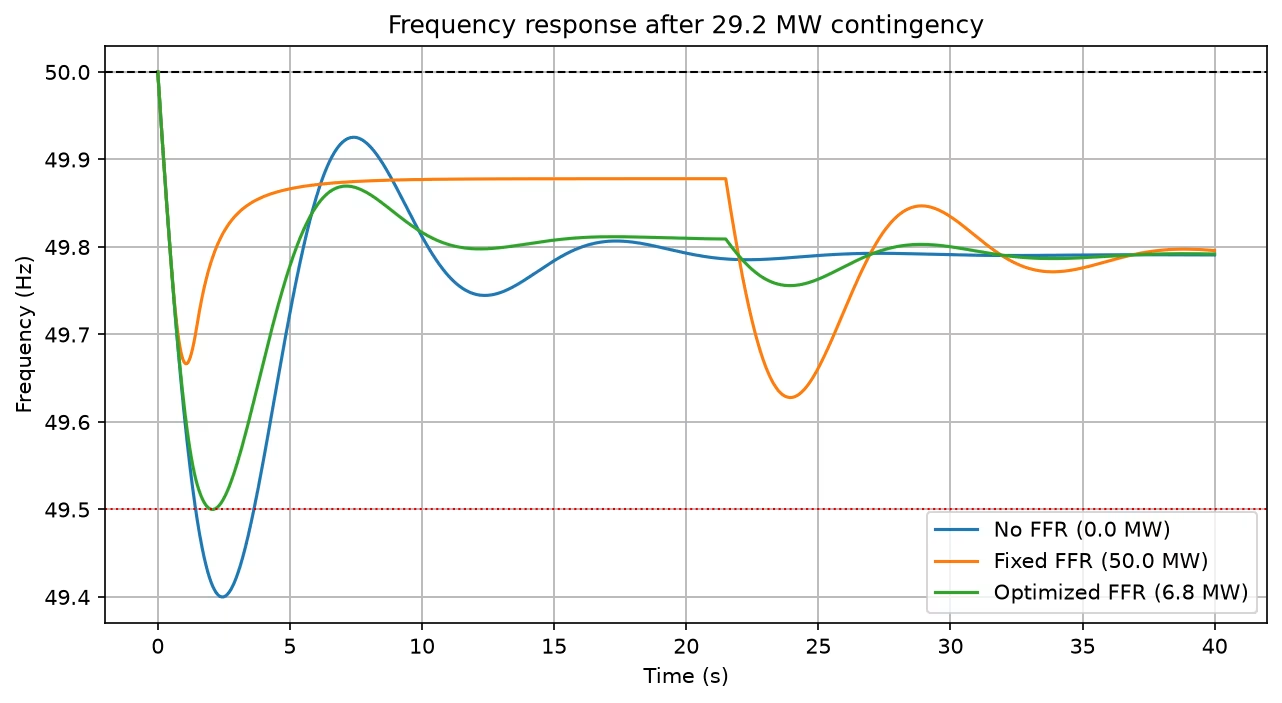
Security-Constrained Allocation of Fast Frequency Response in a Low-Inertia Power System Using PyPSA

This project develops a reproducible research prototype that connects network-constrained economic dispatch in PyPSA with reduced-order frequency security assessment. It models a 5-bus low-inertia system with renewable generation and distributed BESS, allocates FFR based on available battery headroom, and evaluates RoCoF, frequency nadir, and recovery time.

Key Advantages

Network-Constrained Dispatch Energy-Aware FFR Allocation Frequency Security Assessment
Security-Constrained Allocation of Fast Frequency Response in a Low-Inertia Power System Using PyPSA

Technologies:

Python, PyPSA, Power System Optimization, Frequency Response Modeling, BESS
#01

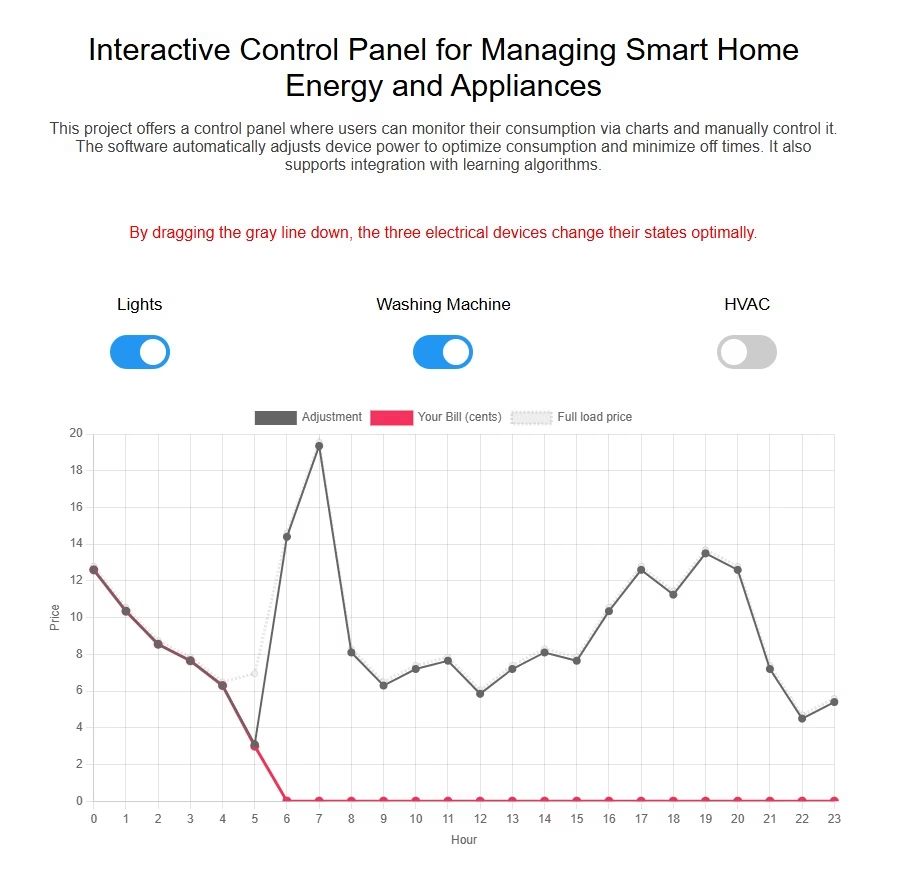
Interactive Control Panel for Managing Smart Home Energy and Appliances

This project offers a control panel where users can monitor their consumption via charts and manually control it. The software automatically adjusts device power to optimize consumption and minimize off times. It also supports integration with learning algorithms.

Key Advantages

Real-Time Energy Monitoring Intelligent Appliance Optimization AI-Powered Smart Control
Interactive Control Panel for Managing Smart Home Energy and Appliances

Technologies:

JavaScript, IoT Systems, Energy Monitoring, Automation, Web Technologies
#02

IoT Appliance Energy Usage Analysis from Large-Scale CSV Datasets

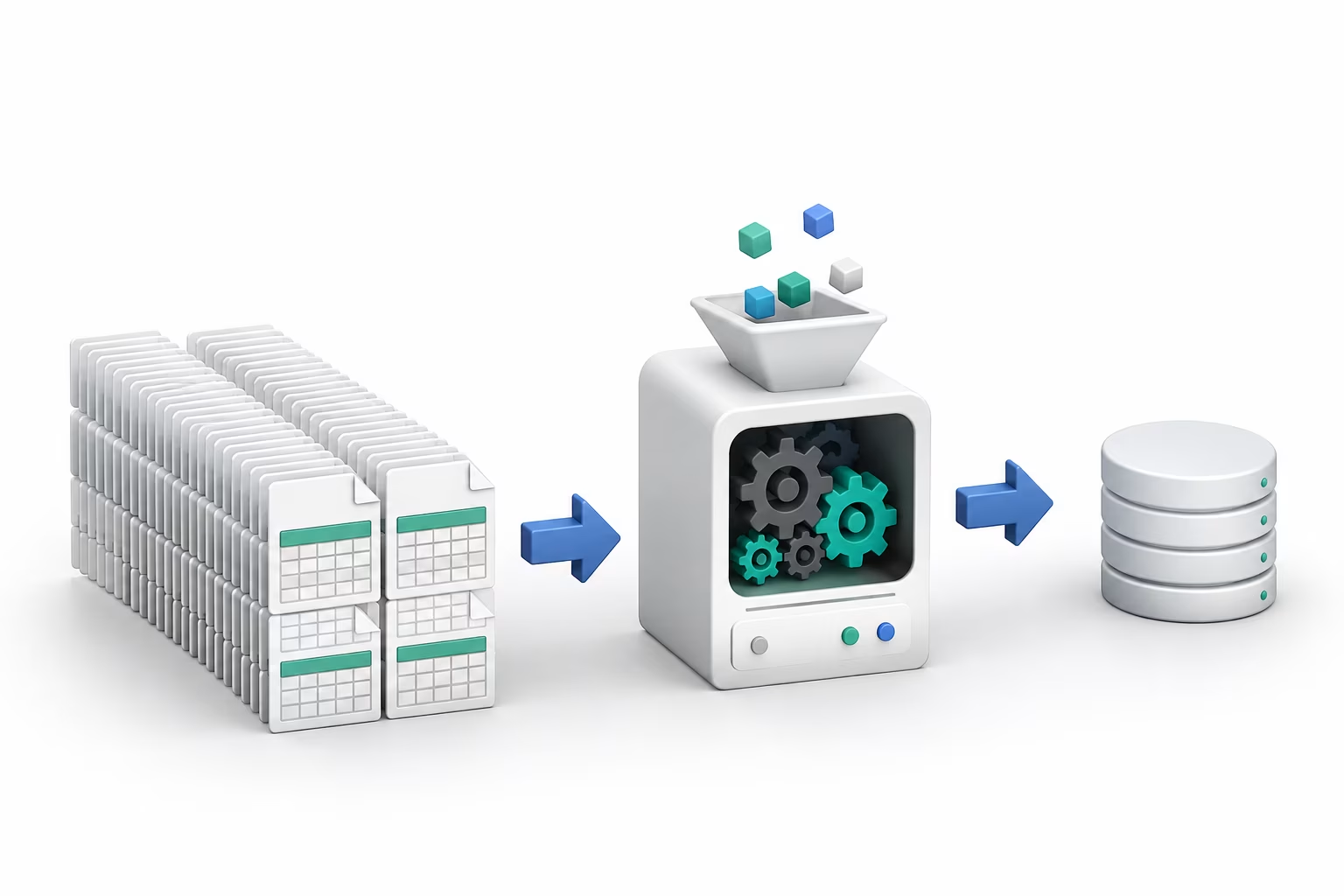
The primary goal of this project is to uncover standard usage patterns for household appliances by leveraging high-frequency power consumption data gathered from numerous smart plugs and IoT devices. The extensive dataset comprises several large-scale CSV files—one for each appliance—each containing around 1 million records, highlighting the massive volume of data involved. Additionally, a dedicated index CSV file supplies essential metadata, connecting each appliance-specific CSV file to its respective category and supplementary information.

Key Advantages

High-Frequency Data Analysis Household Usage Pattern Discovery Large-Scale IoT Data Processing
IoT Appliance Energy Usage Analysis from Large-Scale CSV Datasets

Technologies:

Python, Pandas, Time-Series Analysis, Data Engineering, IoT Analytics
#03

Optimized Demand Response Program Using Reinforcement Learning and Bayesian Optimization

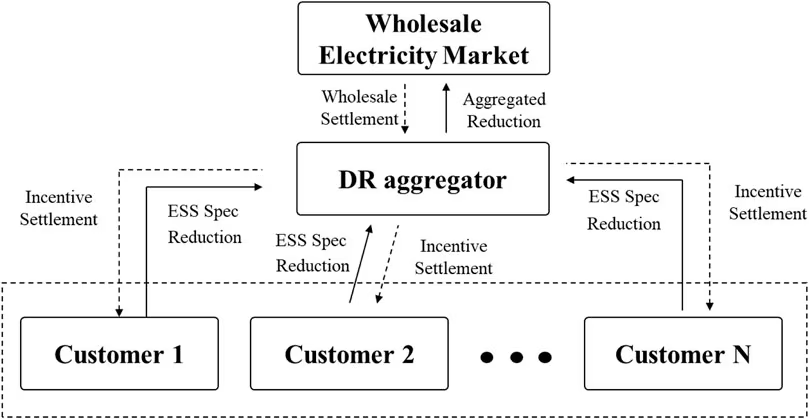
This project demonstrates a demand response program designed to allocate energy resources efficiently while encouraging participants to reduce consumption during peak hours. The program employs a combination of reinforcement learning (RL) and Bayesian optimization to maximize overall utility and fairness among participants in a reverse auction setting. By evaluating bids and utility values, the program identifies the most suitable participants to receive incentives. Initial reward values are calculated through a numerical method, and the RL process fine-tunes decisions over time, guided by optimized hyperparameters. The result is an efficient and dynamic energy allocation model that balances economic and operational goals.

Key Advantages

Intelligent Demand Response Reinforcement Learning Fair Incentive Allocation
Demand Response Program Using Reinforcement Learning and Bayesian Optimization

Technologies:

Python, Reinforcement Learning, Bayesian Optimization, Energy Systems Modeling
#04

Non-Convex Optimization Algorithm for Optimal Energy Management System

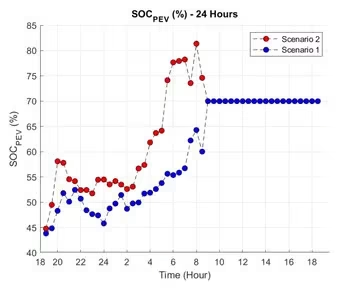
This project presents a new energy management algorithm for a smart home with a Plug-in Electric Vehicle (PEV), home energy storage, and photovoltaics (PV), which is based on grid and PEV energy cost minimization.

Key Advantages

Smart Home Energy Management Grid and PEV Cost Optimization PV and Energy Storage Integration
Non-Convex Optimization Algorithm for Optimal Energy Management System

Technologies:

Optimization, Energy Management Systems, Smart Grid Modeling, MATLAB
#05

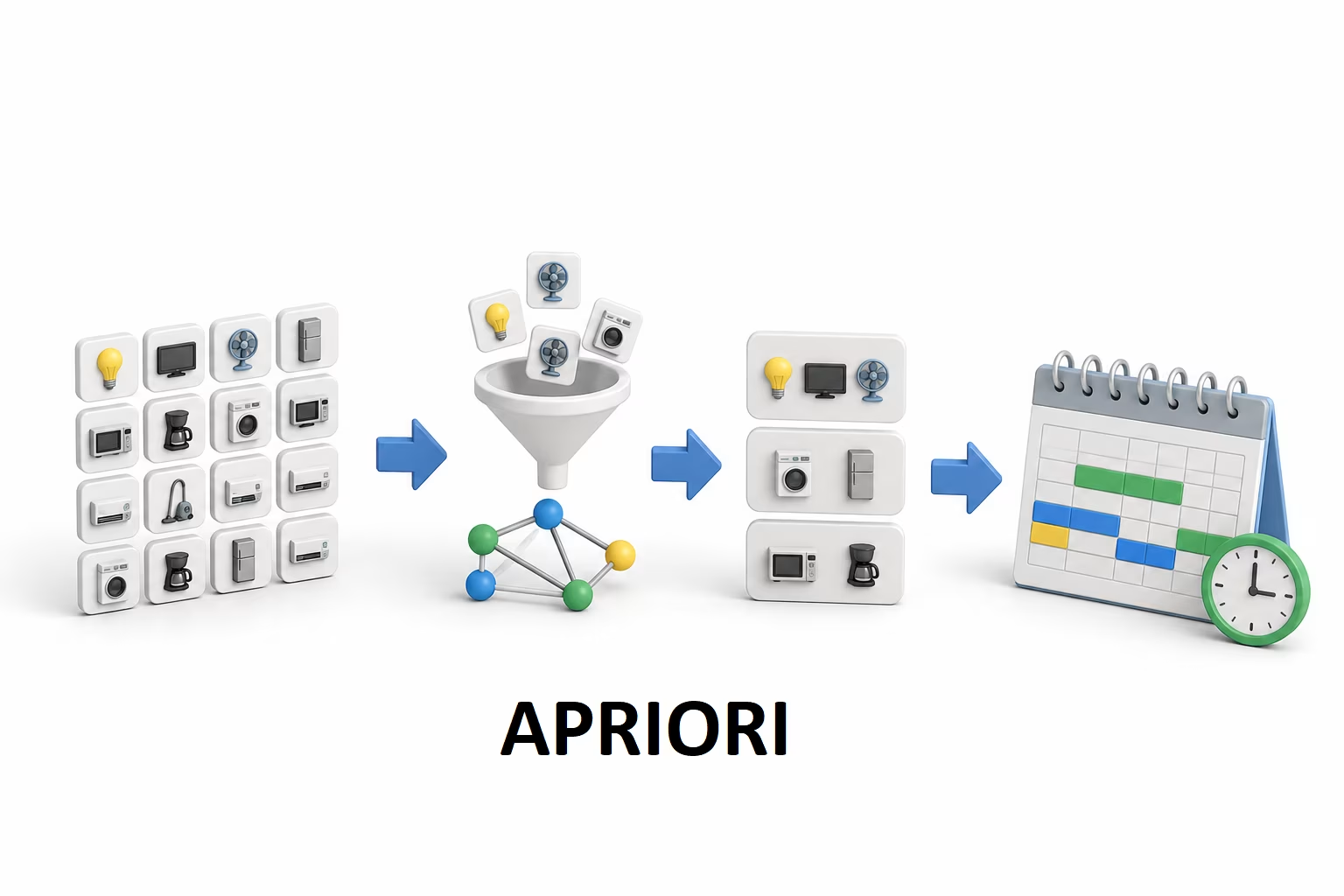
Optimal Scheduling and Pattern Recognition of Appliance Usage Using APRIORI Algorithm

This project uses the Apriori algorithm to analyze historical appliance usage data and identify combinations of devices that are frequently used together. Based on these patterns, it optimizes appliance scheduling and power allocation while ensuring that total consumption remains within a predefined power limit. The system also balances operating times to meet minimum usage requirements, helping users follow energy-efficient patterns, reduce energy waste, and optimize household appliance schedules.

Key Advantages

Pattern Discovery Optimized Scheduling Power-Constrained Energy Management
Optimal Scheduling and Pattern Recognition of Appliance Usage Using APRIORI Algorithm

Technologies:

Optimization, Energy Management Systems, Pattern Recognition, Python
#06

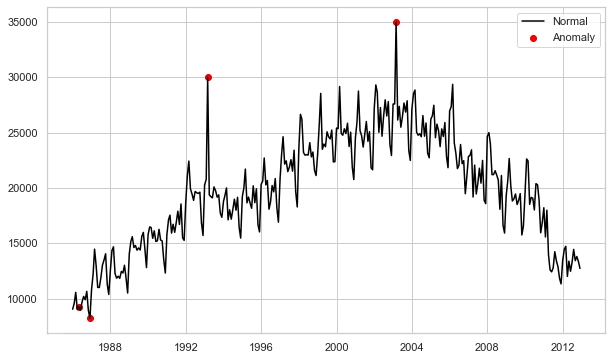
Synthetic Outlier Generation and Filtering

This project focuses on generating and refining synthetic outliers for data analysis. It uses Gaussian Mixture Models (GMM) to create local and global outliers based on the statistical properties of an input dataset. These outliers are then filtered iteratively using a K-Nearest Neighbors (KNN) classifier, ensuring the refined datasets are accurate and reliable. The final local and global outlier datasets are saved for further use in anomaly detection or model validation tasks.

Key Advantages

Synthetic Outlier Generation GMM-Based Data Modeling KNN-Powered Outlier Refinement
Synthetic Outlier Generation and Filtering

Technologies:

GMM, KNN, Anomaly Detection, Python
#07

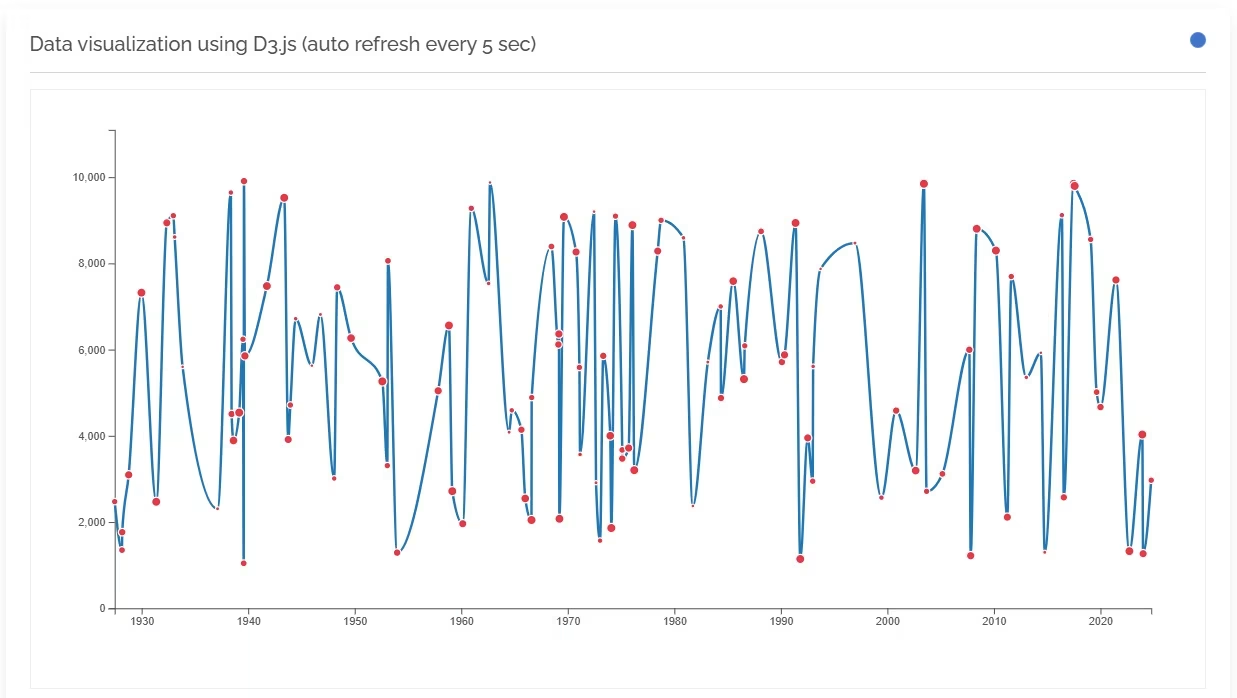
Live Data Visualization

In this project, I created a visual interface using Javascript, HTML and CSS, and fetch MySQL database records using cURL and REST API, implement PUT, POST, and DELETE requests instantly without refreshing the page, and visualize live data using powerful D3.js library, Ajax and jQuery.

Key Advantages

RESTful API Integration Dynamic Data Visualization Live Database Interaction
Live Data Visualization

Technologies:

PHP, Ajax, D3.js, RESTful API, MySQL, Visualization